
if you’re reading this it’s too late…
Ginny I think we’re mostly on the same page here, we’re just interpreting some things slightly differently.
My only point was you can’t use speed or intensity as evidence of enjoyment on its own. Everything else comes down to context and inferring emotional/motivational state (which is another 2 whole areas of study on its own), so I barely even covered 2% of the story in this video. I’m sorry if it seemed like I repeated some bits from my comments, but I think some parts needed emphasising.
I’d really like to avoid specifics though, like “what if X animal in X situation is doing XYZ” because it’s nearly impossible to answer. I’m happy to discuss general concepts from now on 🙏
I’m never making training interpretation videos again 🤣

The main argument against mimicry isn’t just lack of evidence, it’s how learning actually works.
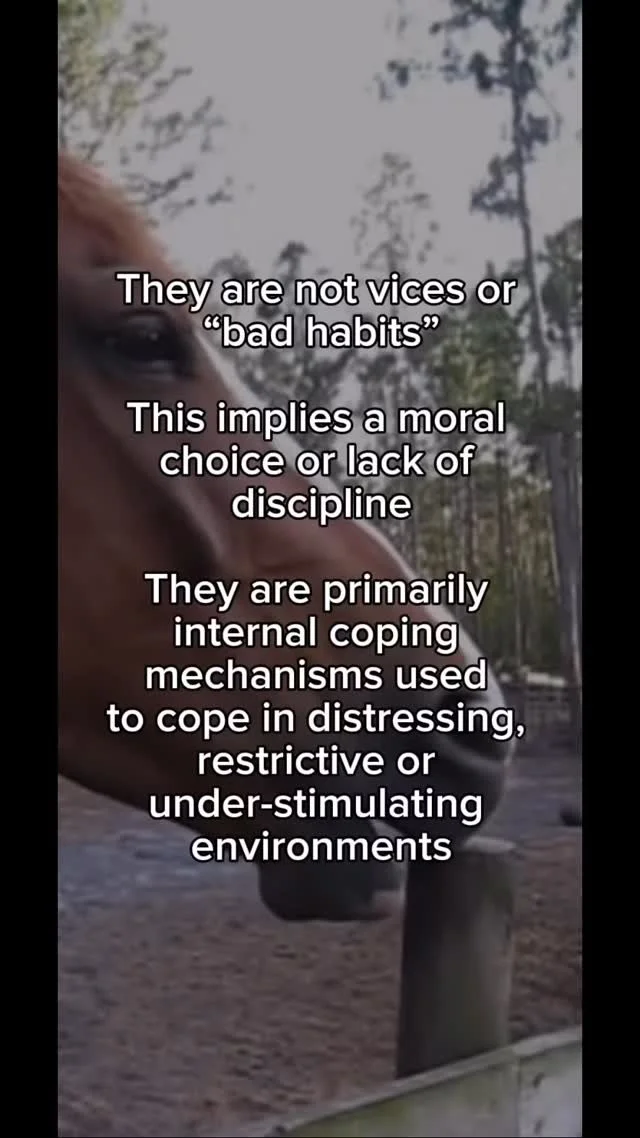
Stereotypic behaviours are internally driven & not goal-based

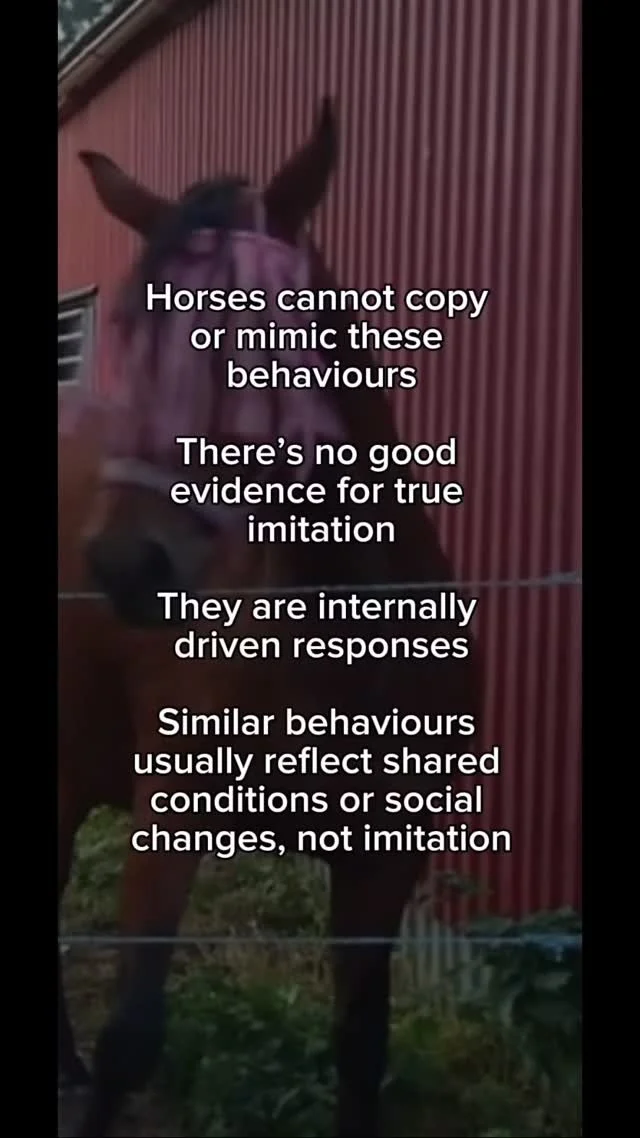
It can look like copying, but that doesn’t mean it is.
Hopefully this helps understand stereotypies and mimicry / imitation in animals

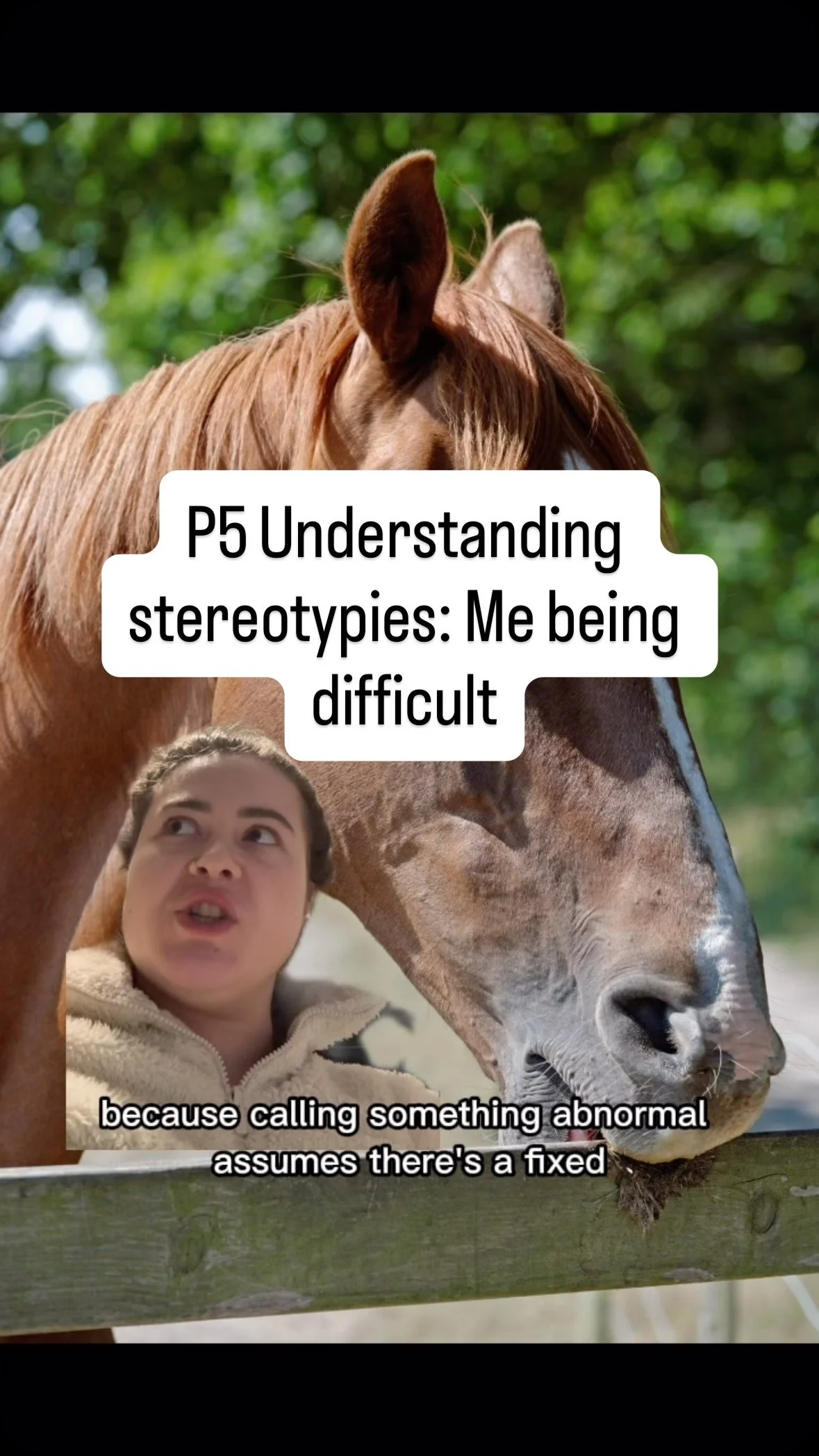
Part 5 ish: I don’t use the term ‘abnormal behaviour’
Calling behaviour ‘abnormal’ assumes a fixed baseline.
When in reality, behaviour adapts to the environment it’s expressed in.

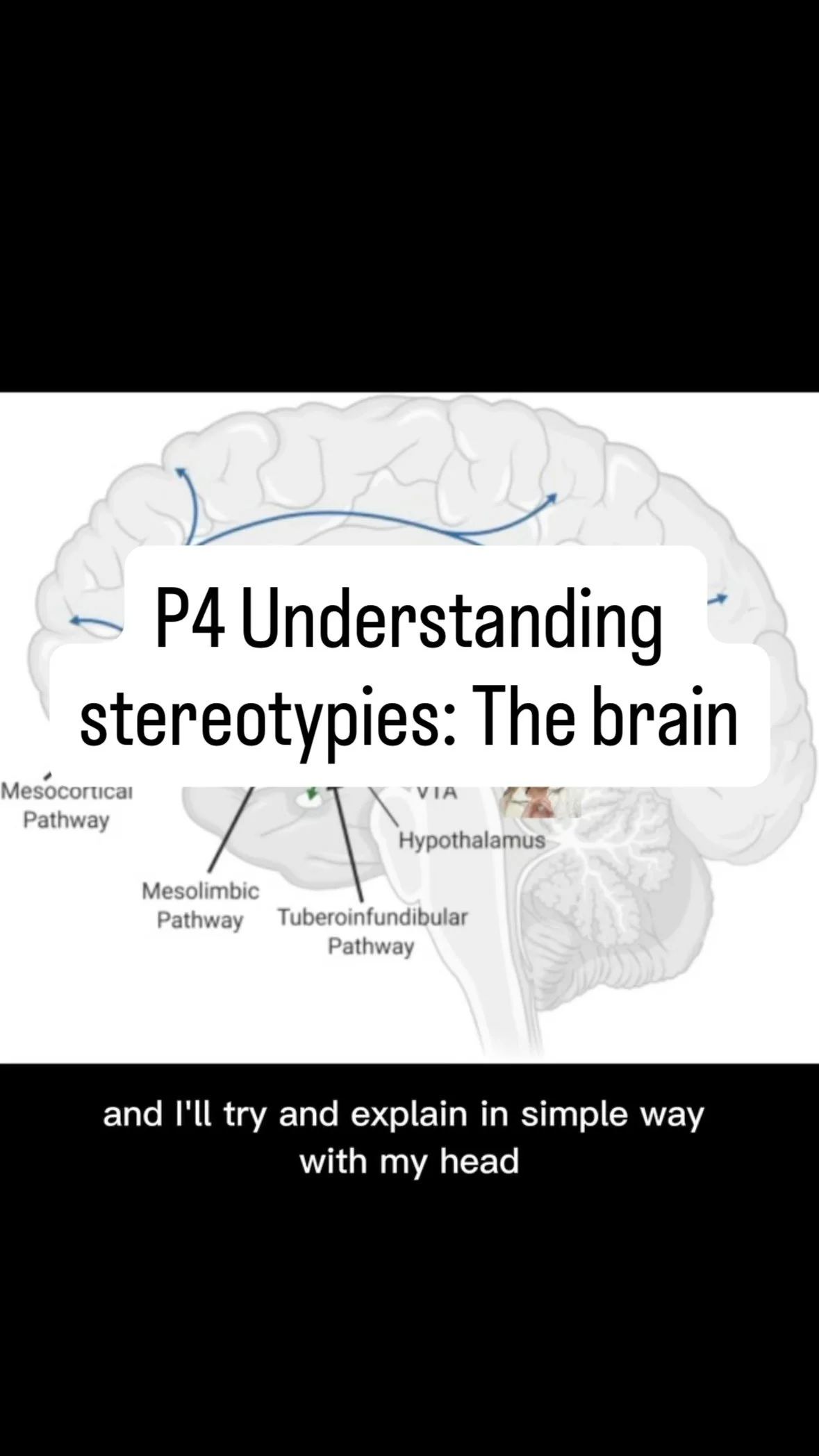
Part 4 Understanding stereotypies: The brain
These behaviours aren’t just behavioural, they involve changes in brain systems linked to reinforcement and habit-forming.
Over time, they can become automatic and self-maintaining.

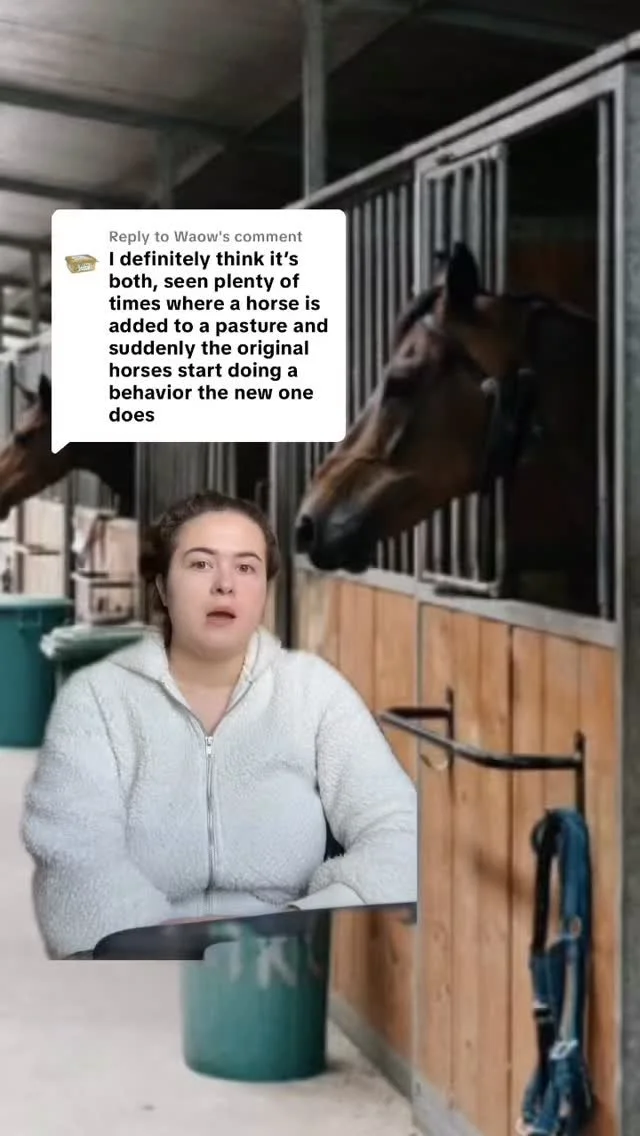
Part 3 understanding stereotypies: Mimicry
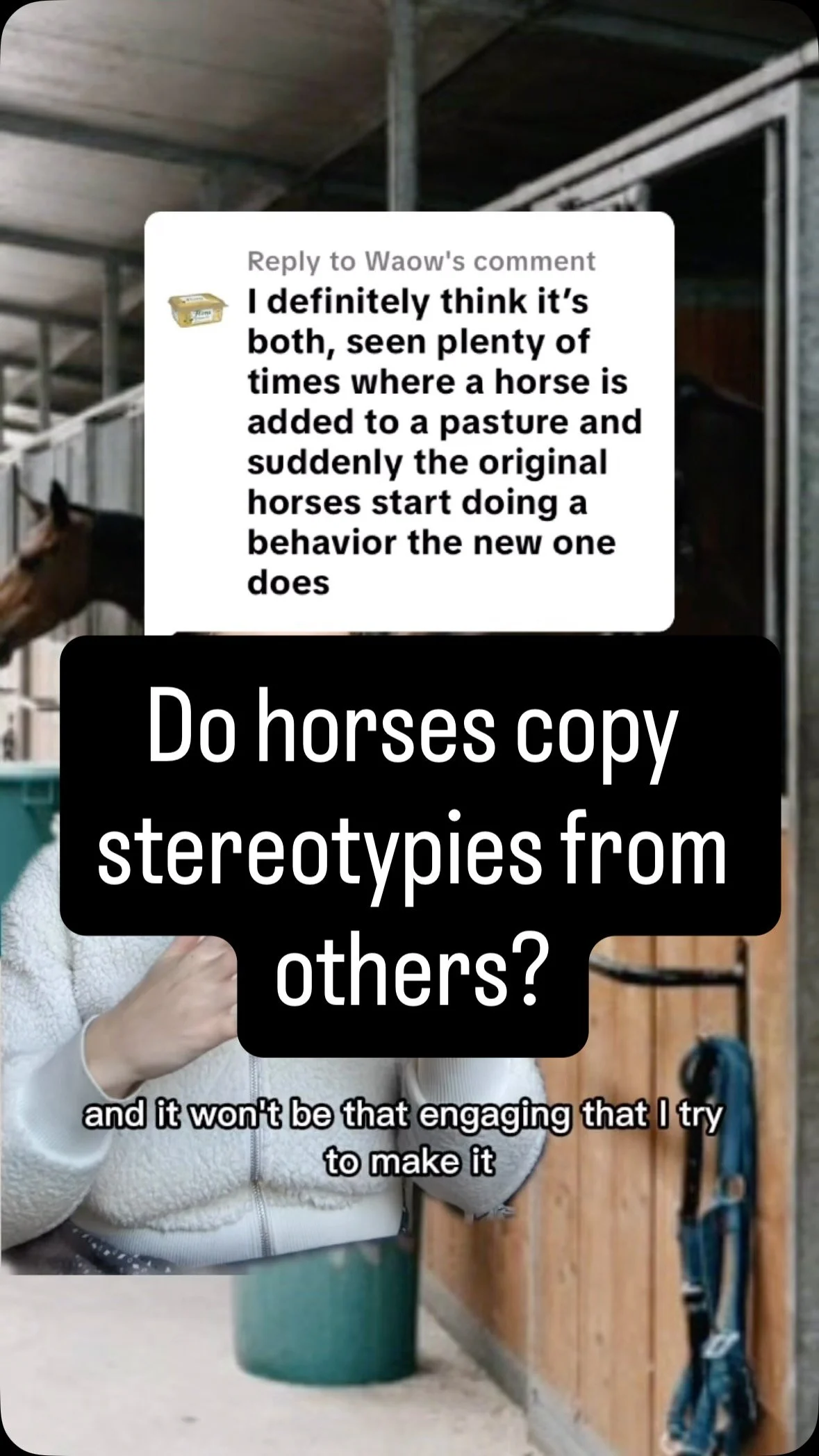
No evidence that horses (or any animal) “copy” stereotypic behaviours.
These behaviours emerge from their own environment and neurobiology.

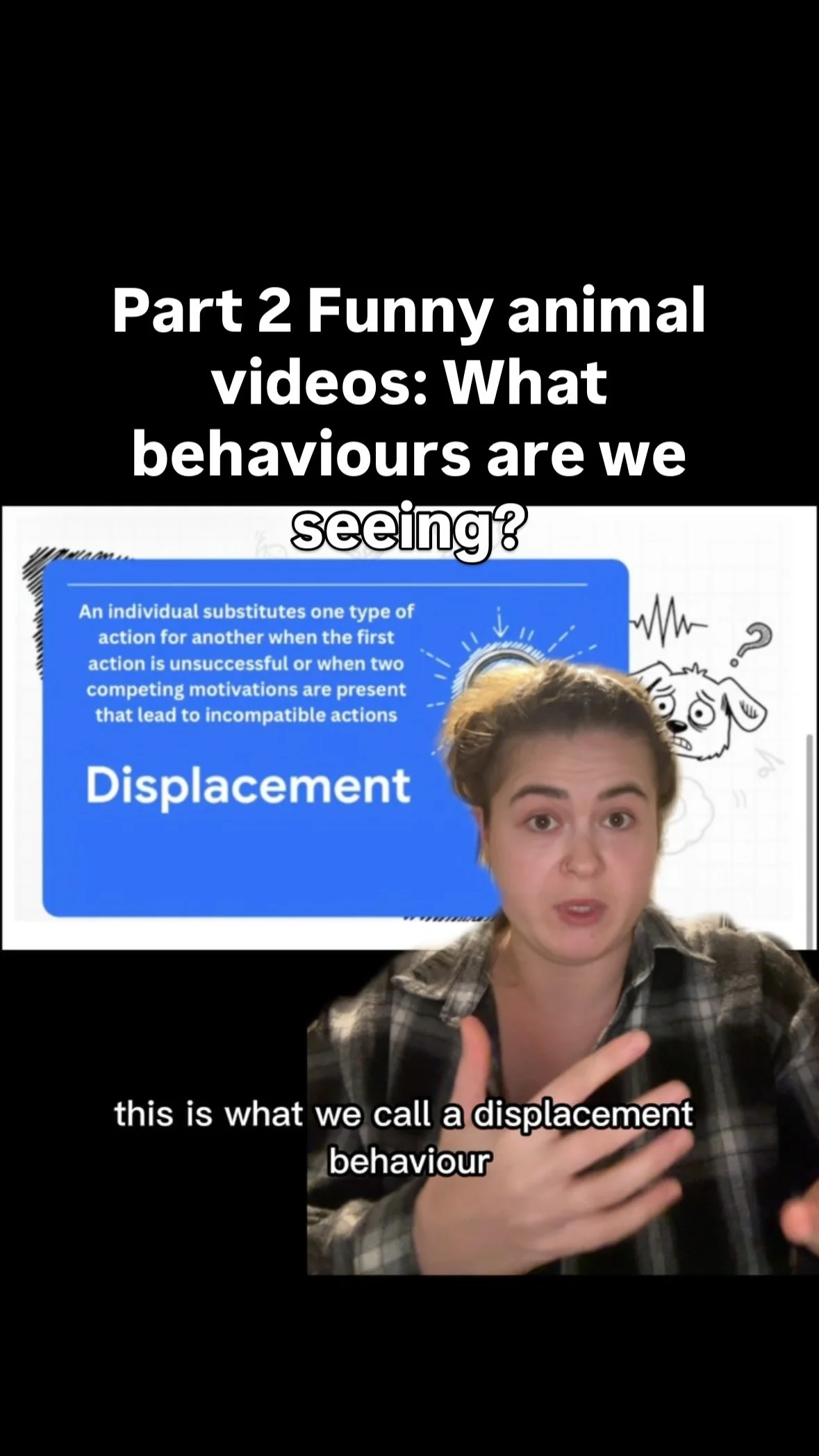
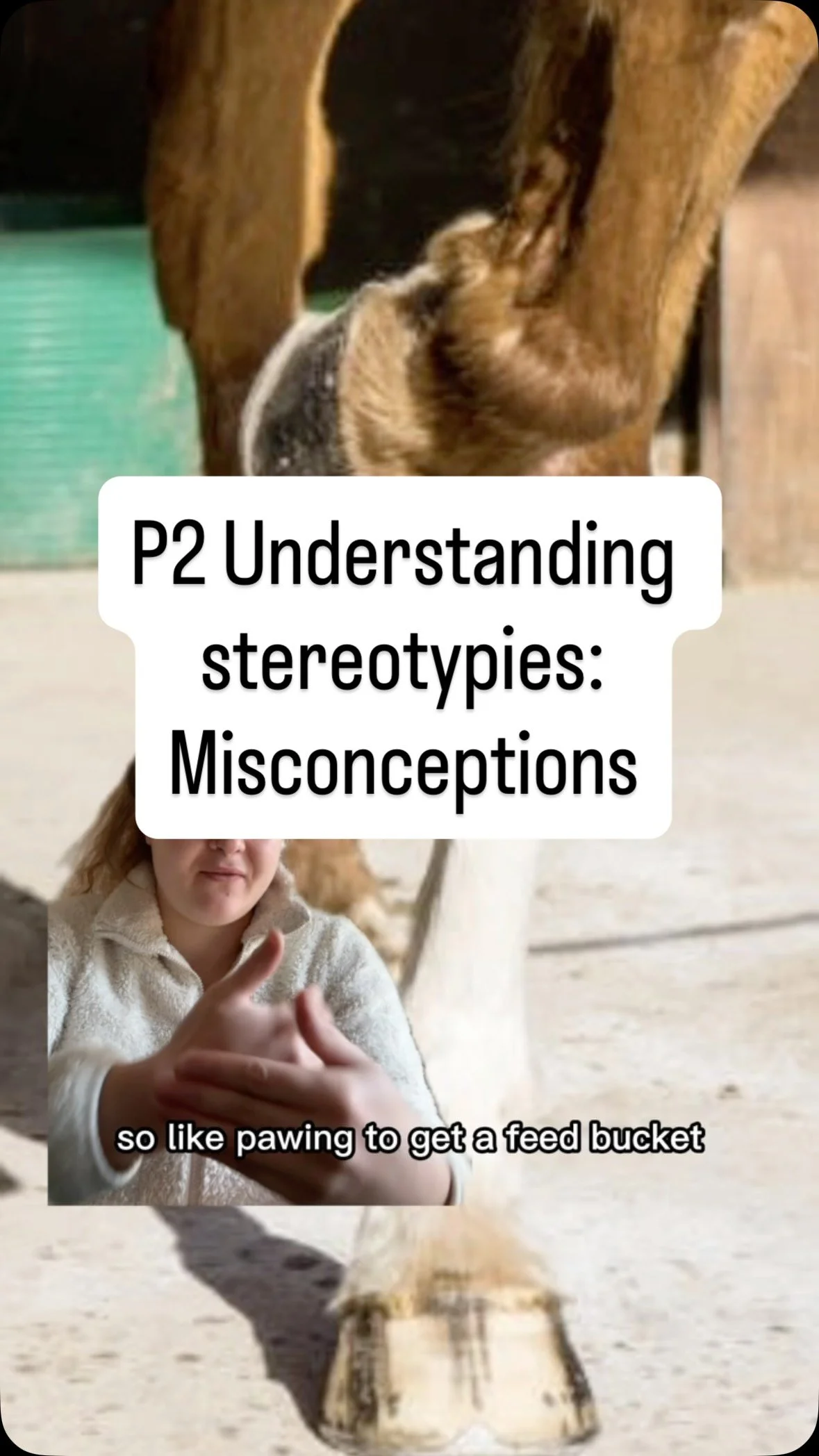
Part 2/4 Understanding Stereotypies: Misconceptions
Not all repetitive behaviour is the same.
Understanding whether it’s goal-directed or internally driven changes how we should respond.

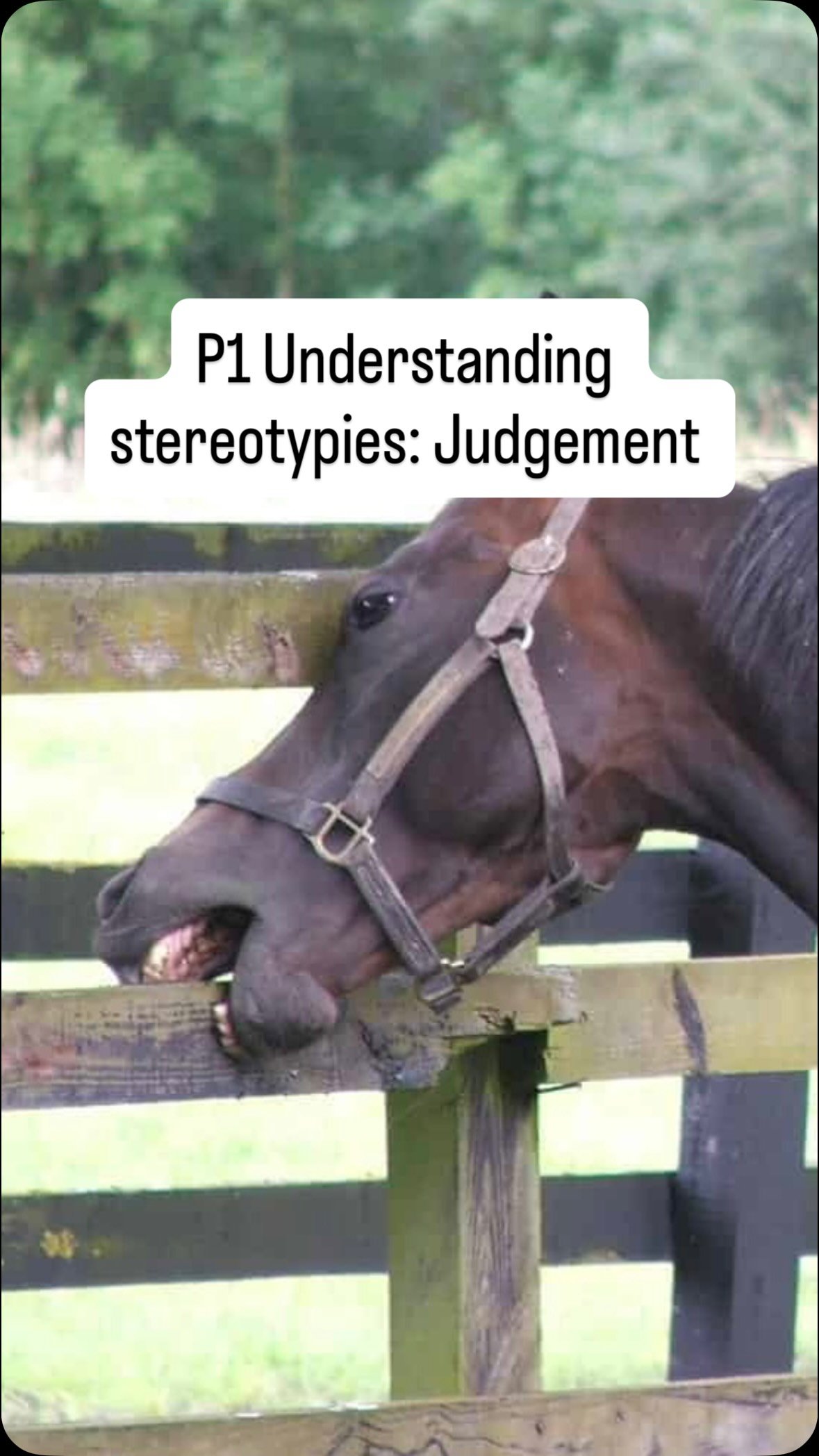
Part 1/4 on understanding stereotypies.
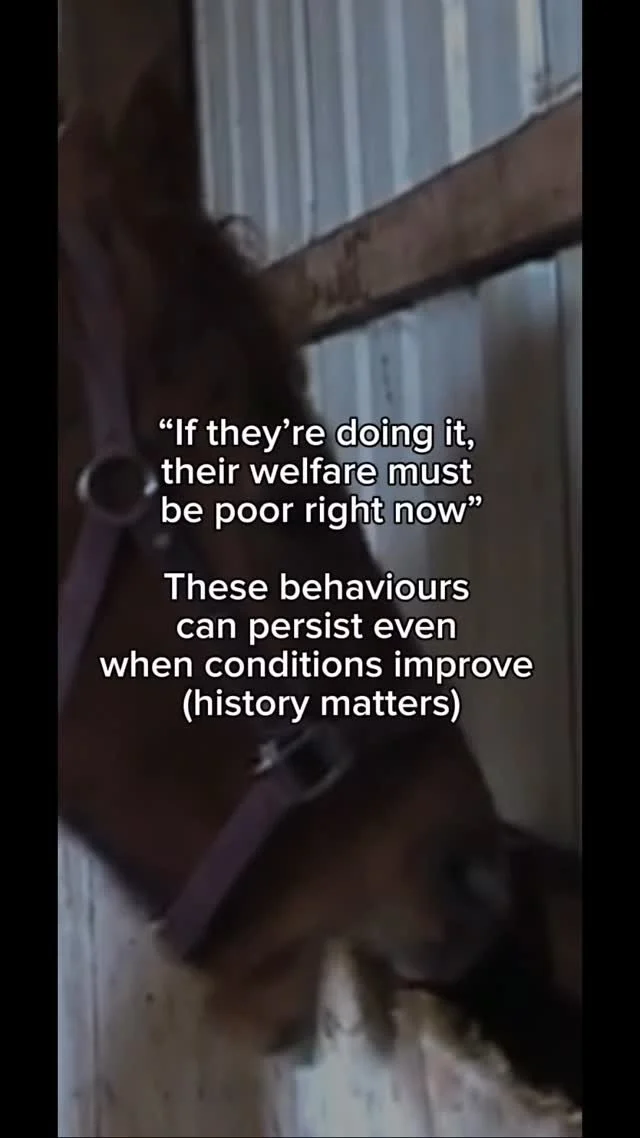
Not all behaviours reflect the present.
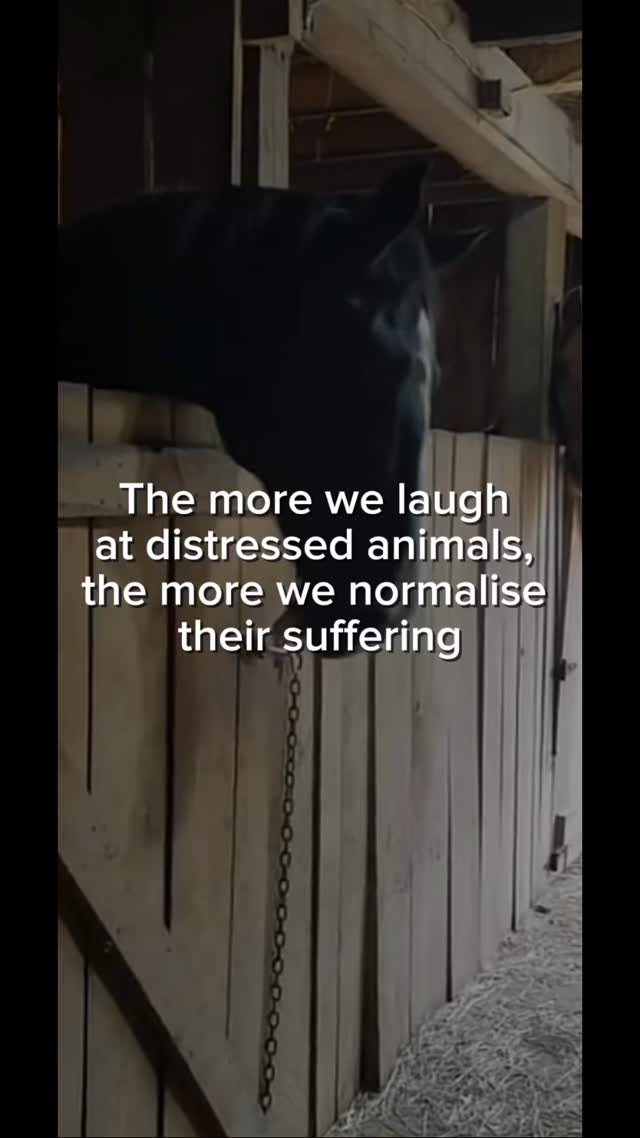
Stereotypic behaviours like crib-biting/cribbing, weaving etc., can persist as coping patterns, and their absence doesn’t guarantee good welfare.

Always have to let them know 💁🏻♀️🧠🐴💗🌸🌺

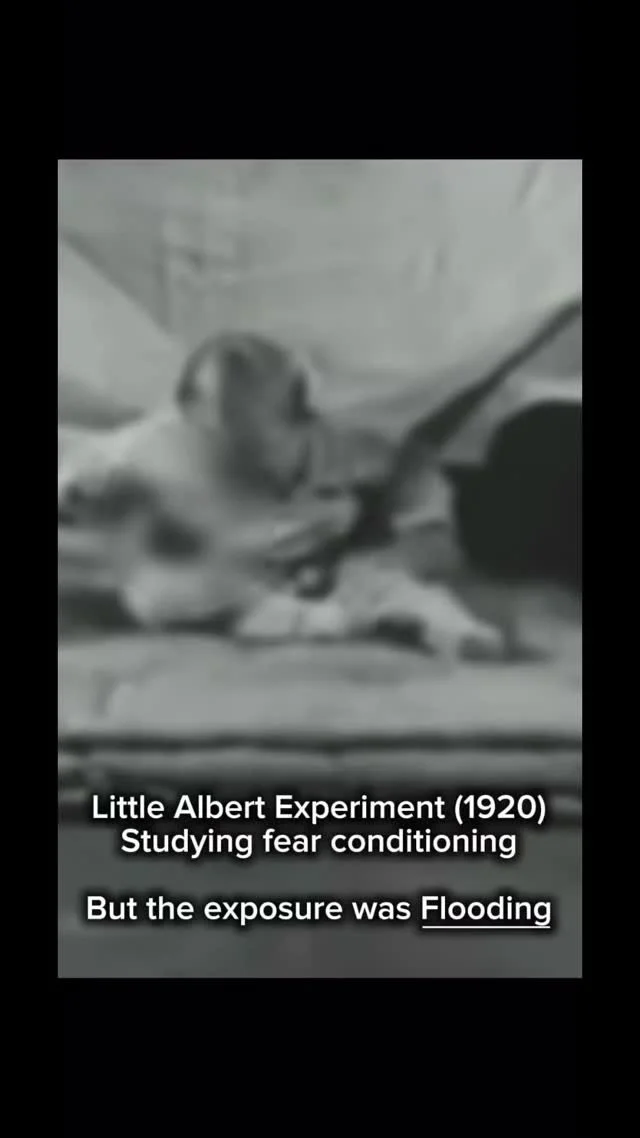
Not all “getting used to something” works through the same learning process.
Flooding is a non-systematic form of desensitisation that exposes the animal to the full intensity of a feared “thing” while preventing escape. The theory relies on extinction (the gradual weakening of a learned response). However, if the fear is too intense, the animal or human may stop responding because they have learned they have no control over the situation (often described as learned helplessness), even if physiological stress remains elevated. Outcomes vary depending on the individual and the context.
The difference is that humans can have a choice on what type of exposure they wish to perform on themselves, with added mental capacities to reason. Whereas animals, or even Little Albert, cannot.
Systematic desensitisation introduces the stimulus gradually, below the fear threshold, allowing the nervous system to habituate without triggering a strong stress response. In the strictest defined form, it is combined with relaxation techniques in humans. In the animal behaviour and training world, this gradual approach is often referred to interchangeably with graded exposure (which is more of a “neutral”, gradual exposure).
Many people combine this with counter-conditioning, where the stimulus predicts something positive. In practice this usually involves both classical counter-conditioning (changing the emotional association) and operant reinforcement of calm behavioural responses.
*****
Thank you to Adele Shaw, JCHorseTraining and Lauren Fraser for the example DS videos 🙏
No hate intended/educational only

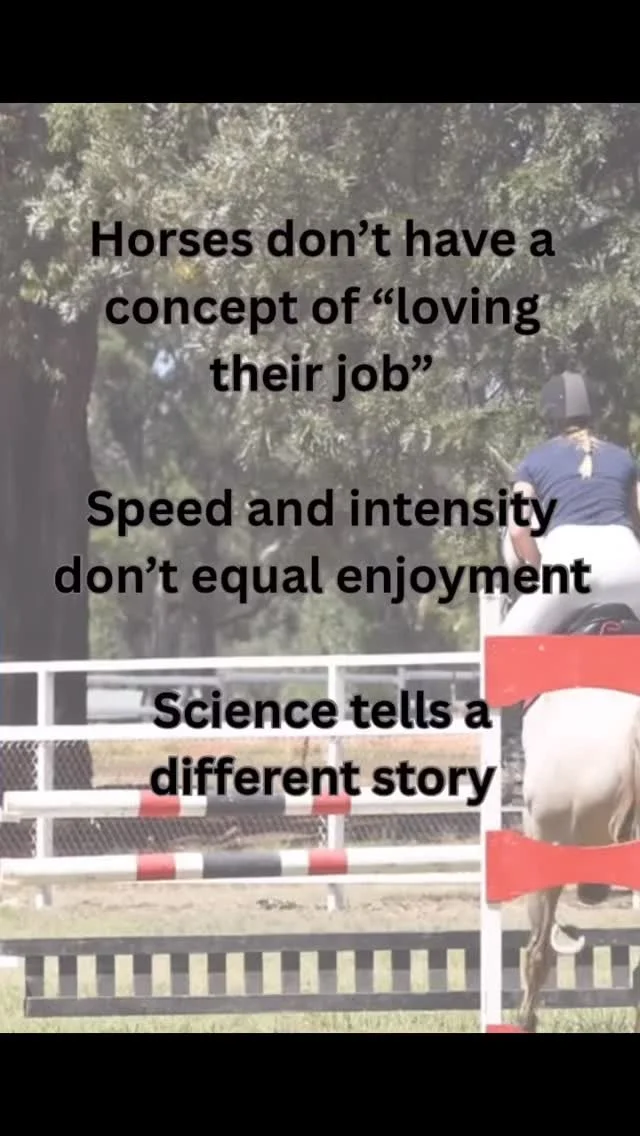
My horse loves his job!
We often interpret speed, intensity, and “keenness” as signs that a horse loves what they’re doing. But behavioural science gives us objective markers that can tell a very different story.
My 4 part series explores the gap between our human interpretations and a horse’s biological reality 🌍

Dominating or earning respect from your horse? 🤔
I recently made a 4-part video series breaking down how horse social dynamics actually work, including resource competition, shared movement decisions, and why the “alpha” idea became so popular in the first place.
The idea that horse herds operate with one clear “alpha” or leader is one of the most persistent myths in the horse world.
Yes, horses have social structure, but it isn’t a rigid dominance ladder where one individual rules the group. Most relationships are context-dependent, fluid, and built on individual interactions, not a fixed rank system.

Part 4/4 on Dominance: “Respect” is a human invention 🧠
Horses don’t “challenge” our authority, they react to our pressure.
When we label a horse as “disrespectful”, we lose our empathy and reach for punishment.
Let’s stop fighting a type of hierarchy that doesn’t exist and start building a partnership that does.

Part 3/4 on Dominance: Chasing isn’t “natural” 🌾
If wild horses spent all day “moving each other’s feet” for dominance, they’d be too exhausted to survive predators.
Real herd life is about peace, affiliative behaviour, and saving energy. If we’re using relentless pressure, we aren’t acting like a “lead mare”, we’re acting like a mountain lion.

Part 2/4 on Dominance: It’s not “disrespect,” it’s economics 📈
When a horse moves another off a bucket, they aren’t claiming a throne, they’re doing a cost-benefit analysis.
Rank is fluid and depends on how much they want that resource in that moment (along with other things…). It’s horsey maths, not a power struggle.

Part 1/4 on Dominance: Stop looking for the “boss” 🛑
Horses don’t have a “leaderboard.” Science shows they lack the brain machinery for complex hierarchies.
Instead of a pyramid, think of a friendship web. It’s not about who’s in charge, it’s about who you know & how.

Here is my evidence-based starter kit for anyone wanting to cut through the noise and understand behavioural science 🧬🐴
Hopefully, these resources will help you focus on the data rather than the drama…
Again, this is just my opinion, there are many other resources out there!
I’m also aware that some of these books are older and may not fully reflect current scientific understanding; however, I think their comprehensive and logical structure makes them useful for beginners (in my opinion).

Clarifying the focus of this page 👇🏻
I look at behaviour and welfare through a scientific lens - starting with behavioural outcomes, then interpreting them within context, reinforcement history, and affective state (and some more...)
This isn’t about training debates. It’s about understanding the animal’s experience through the lens of behavioural science 🧪

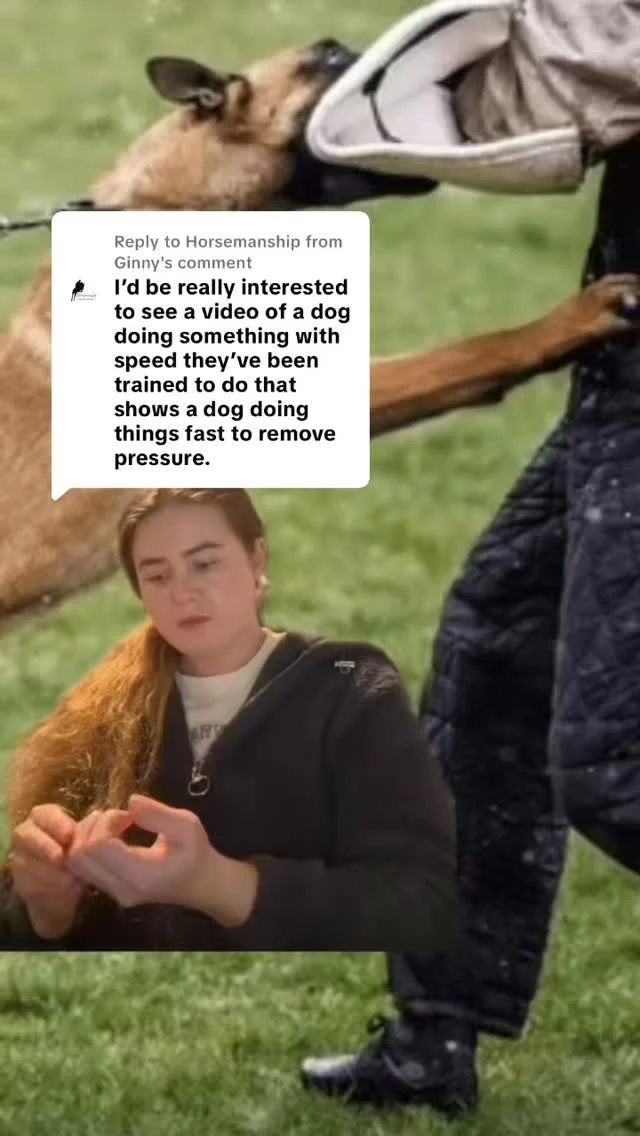
Part 2: What about working dogs? 🐶
The key question is: are they running to gain something, or to avoid something?
Real enthusiasm isn’t forced...it’s invited.

Part 1: Can animals enjoy things?
I’ve seen the comments: “Can horses enjoy things?”
Yes! Animals absolutely experience pleasure.
But in science, we don’t guess their joy... we measure it.
Real enjoyment isn’t just “doing the task.” It’s voluntary engagement. If you stopped and did nothing - would your horse choose to stay and re-offer a behaviour?
Blog/social media posts
Click here to view all of my social links

Services
Explore our range of services designed to help you move forward with confidence, wherever you're headed next.
Clients
We’re honored to have our work recognized in a range of publications, platforms, and press features.